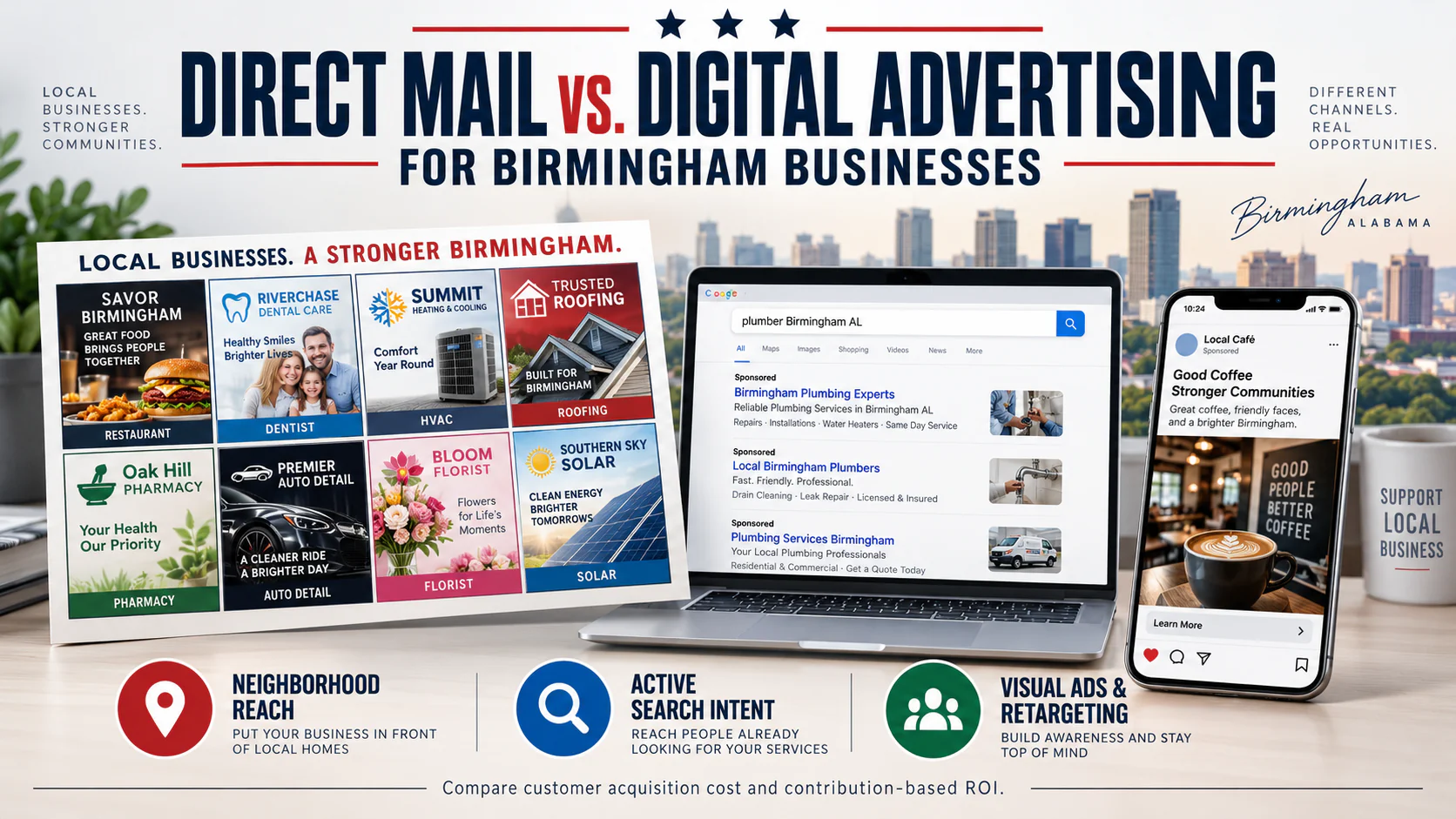
Direct Mail Advertising in Birmingham, AL: A Local Business Guide
Plan direct mail for a Birmingham business with local audience context, TownFavorite product choices, and practical campaign-preparation guidance.
Planning Direct Mail in Birmingham
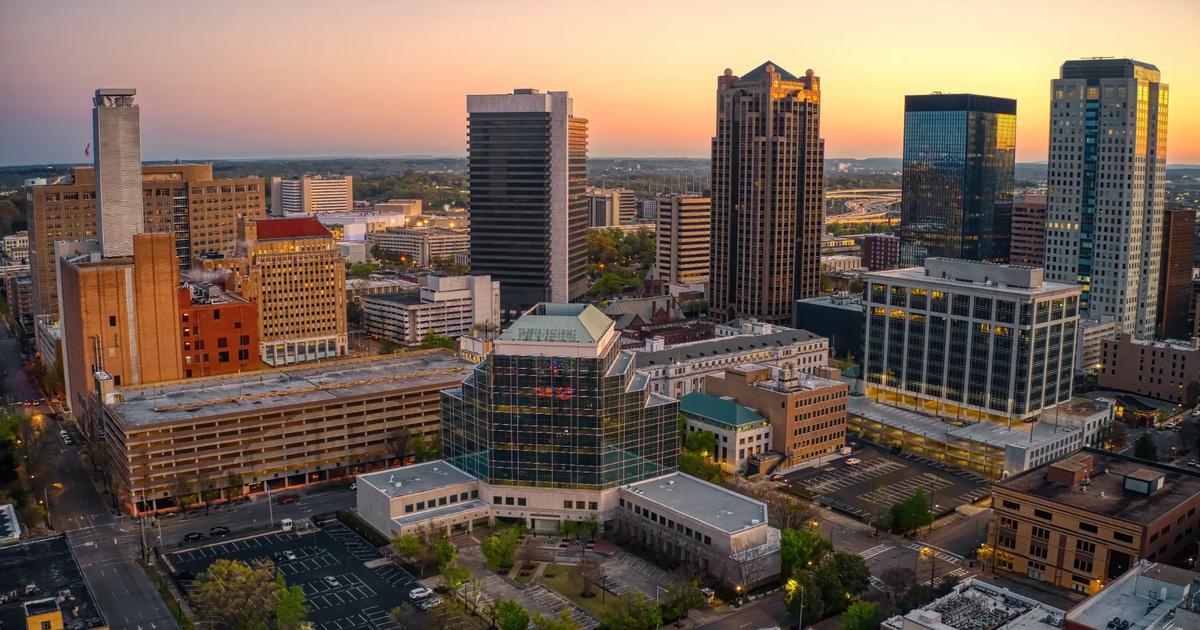
Birmingham, Alabama, is the starting point for this local direct-mail planning guide. Think about the places your business actually serves before choosing an audience. The source distinguishes Southside from surrounding suburban markets such as Hoover and Vestavia Hills; those are different planning contexts, not interchangeable delivery areas.
A business serving one part of Greater Birmingham may need a different brief from a business working across several nearby cities. Define the service area, the offer and the action you want a reader to take. A city's name alone does not establish that its residents need your service or will respond to a postcard.
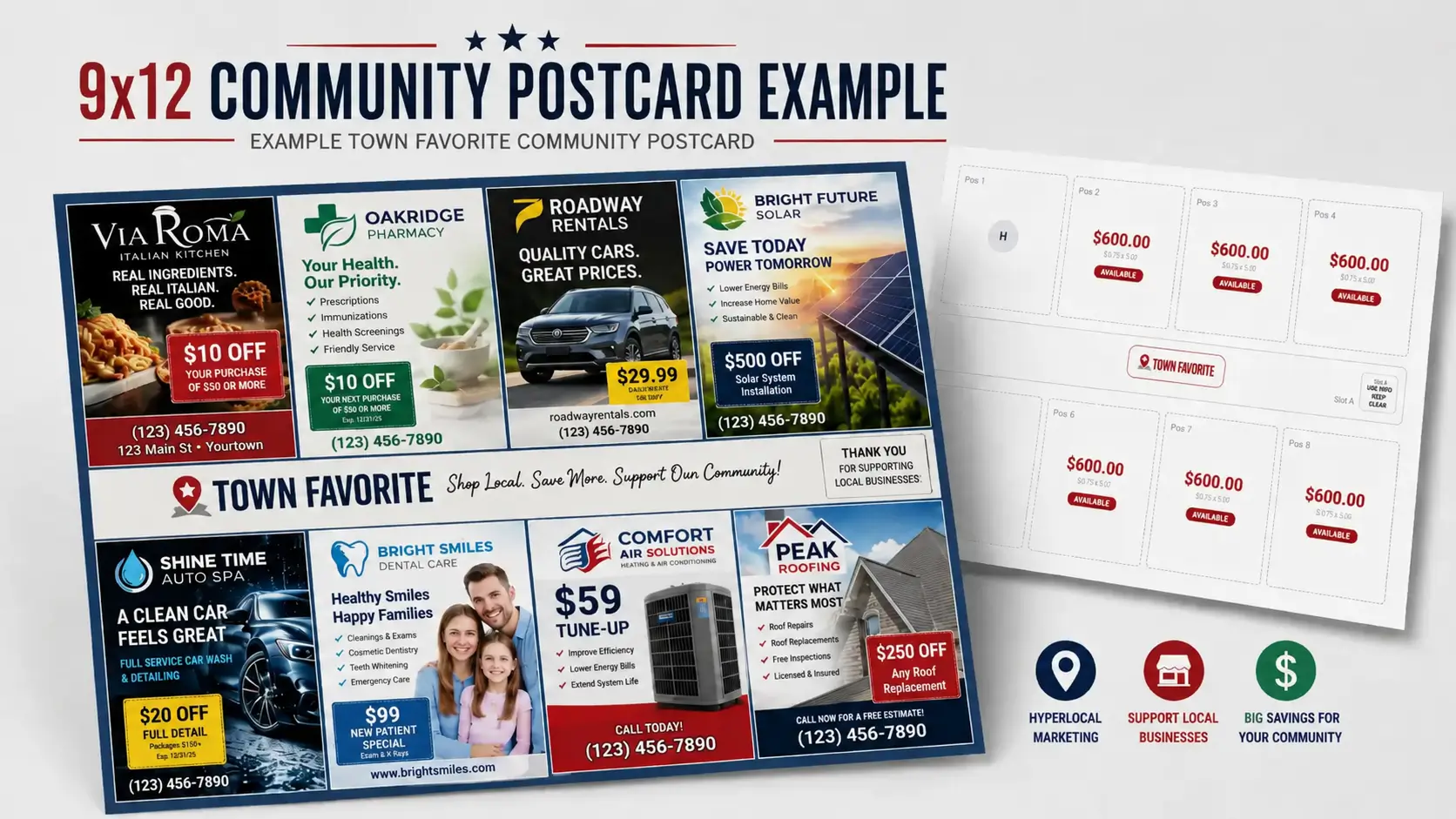
This is an educational guide. The Birmingham city page is the separate TownFavorite service/market page, with local context and an illustrative postcard experience. Neither page confirms live campaign availability.
Local Audience Planning
Start with the customers you can serve: where they are, what problem your offer addresses, and whether they can realistically visit your business or receive your service. Do not assume that a neighborhood name tells you a household’s income, homeownership or interest in an offer.
The historical article and later coverage map used different ZIP-code lists. Those lists do not establish current campaign coverage. The city directory also carries geographic references, not a connected recipient list. A mailing plan needs its own confirmed audience and route details; this guide does not supply them.
For a Birmingham-area brief, separate the places you already serve from places you are only considering. Record any service-distance limits and the offer’s conditions. Use that brief to evaluate a campaign, rather than treating historical demographic figures as proof of audience fit.
Business Types and Offer Planning
The source discusses the following business types. They are planning examples, not a ranking of Birmingham campaign performance and not a verified customer list:
- HVAC and home services
- Dental and medical practices
- Real estate agents
- Landscaping and lawn care
- Restaurants and food service
- Legal practices
For any of these examples, make the business identity, service area and next step clear. Decide whether the purpose is to introduce the business, explain a service or present a specific offer. Repeated messaging may be planned with awareness in mind, but these objectives do not predict response or establish that a campaign has worked.
Neighborhood Context and USPS EDDM
The original guide groups the following places in its wider-metro discussion. Keep them as starting points for a service-area conversation, not as a list of neighborhoods all inside Birmingham:
- Homewood / Edgewood
- Mountain Brook / English Village
- Vestavia Hills / Cahaba Heights
- Hoover / Riverchase
- Inverness / Greystone
Geographic references, not delivery boundaries.
These source groupings do not confirm municipal boundaries, current campaign coverage, household characteristics or neighborhood performance. A place name is not evidence that an address will receive a mailing.
USPS Every Door Direct Mail (EDDM) is a route-based mailing mechanism for eligible addresses on selected USPS carrier routes. It does not require a purchased individual-address mailing list. Route selection and delivery remain subject to USPS operational requirements; a city or ZIP label alone does not identify the selected routes.
The delivery mechanism does not guarantee that an individual receives, reads, retains or responds to a mailpiece. It also does not guarantee a particular delivery date or marketing outcome. Product audience definitions and a campaign’s actual mailing plan need to be distinguished from this general EDDM explanation.
How to Get Started
Prepare a clear brief before considering a campaign. The useful preparation steps from the original guide can be completed without making a reservation:
- Define the audience and the area your business can serve.
- Prepare accurate business details, a clear offer, its conditions and the desired next step.
- Gather artwork and consider how the message will read in a postcard position.
- Compare the product choices below and confirm the actual campaign details separately before making a commitment.
| Product | Price | Addresses | Cost per address |
|---|---|---|---|
| Community Reach | $600 | 5,000 | 12¢ |
| Maximum Reach | $850 | 10,000 | 8.5¢ |
| Elite Targeted Reach | $900 | 2,500 targeted | 36¢ |
The table shows shared TownFavorite product specifications, not a confirmed Birmingham campaign.
A product quantity does not confirm a Birmingham recipient count, mailing footprint, delivery date or available position. Elite Targeted Reach has a targeted audience definition; do not treat all product choices as the same route-based audience.
For the local service-page context, explore the Birmingham city page. To compare the shared product presentation, view TownFavorite pricing. Contact TownFavorite to discuss a campaign. Online checkout is not open, and these planning pages do not confirm live inventory or reserve a slot.
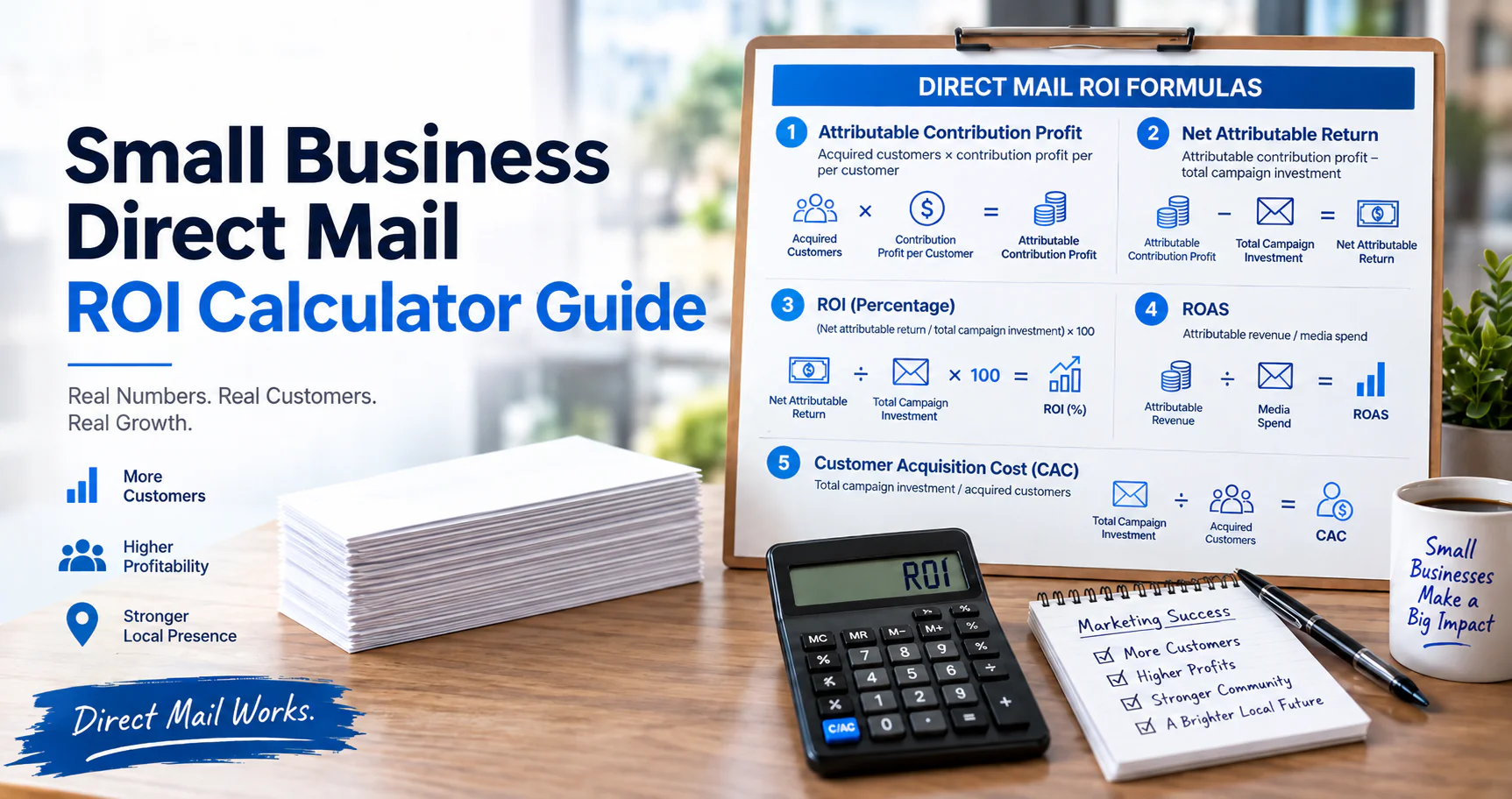
You can also use the direct-mail ROI calculator for hypothetical scenario planning. Its revenue-based estimate is not a forecast of Birmingham campaign results or a contribution-profit calculation. Use your own assumptions and distinguish estimated revenue from profit.
Compare Adjacent Markets
If your actual service area extends beyond Birmingham, compare nearby city pages before deciding whether a broader plan makes sense. The original guide offers these combinations; they remain examples to evaluate, not recommendations based on income rankings or campaign results:
Keep each city’s audience and service fit separate. These comparisons do not offer a metro bundle, a discount, combined household reach or simultaneous campaign availability. Use them to prepare questions about a future mailing plan, not as confirmation that a campaign is ready to purchase.